Best articles for tips on fence design and aesthetics
Yes, fences need to be functional, practical and worth your investment. However, another significant factor is how your fence looks in your...

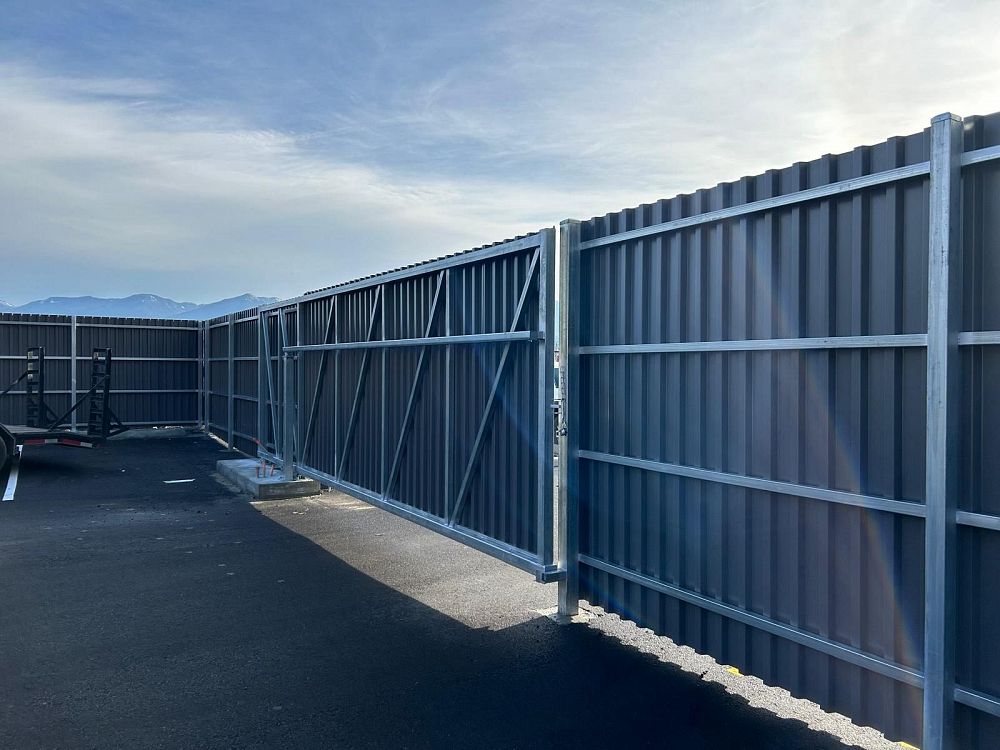
Nothing slows a project like discovering—after fresh asphalt or concrete—that you need a trench across the driveway for gate power or data. If you are building new, renovating, or repaving in Chilliwack or the wider Fraser Valley, planning conduit and power early saves cost and headaches. Here is what typically belongs in the conversation with your builder and electrician, and how a turnkey gate installer fits in.
Planning a gate installation alongside your civil work keeps options open for operators, keypads, and future upgrades.
Final grades, drainage, and hard surfaces lock in where you can trench or pull wire without visible scars. Gate operators, pedestals for keypads, and junction points are easier to place when conduit runs are roughed in while the site is open. Late additions often mean cutting curbs, chasing cracks, or running exposed conduit you would rather hide.
If your timeline has paving or large concrete pours ahead, flag the gate location now—even if automation comes in a later phase.
Renovations that only resurface the drive are a common trap: the gate was “fine” unpowered for years, then you add an operator and discover no civil path for wire without cutting the new cap. If repaving is on your radar, treat conduit as cheap insurance even if automation waits a season.
Gate operators need a correctly rated supply in the right location—usually coordinated with an electrician. Distance from the panel, load, and local code requirements all matter. Your gate team and electrician should agree on where the operator will sit relative to posts and conduit stubs.
Keypads and intercoms may use low-voltage wiring back to a building or a dedicated enclosure. “Smart” features and app control often rely on network reach. Do not assume Wi‑Fi reaches the gate. Many rural and semi-rural Fraser Valley properties have thick walls, metal buildings, or long distances between the house and the driveway. Plan for a wired path where wireless is uncertain—extra conduit or a dedicated run beats a gate that drops offline whenever the signal fluctuates. If you use a bridge or outdoor access point, discuss placement during rough-in, not after paving.
Ask for oversized conduit where you might add wires later (intercom, camera, fibre). Pull string in place makes future upgrades cheaper. Label or map where stubs emerge—future you (or the next owner) will thank you. Agree on access points for junction boxes that stay out of tire tracks and puddles.
Early coordination mirrors how you would approach any major exterior build: one plan that covers civil, electrical, and the gate scope.
Ask your electrician to label panel capacity: gate operators and accessories should not overload a marginal service, especially on older homes getting a shop, heat pump, and EV charger in the same few years. A short conversation now avoids a surprise service upgrade quote when the gate crew is already on site.
Fraser Valley rainfall is not theoretical—standing water near motor housings, buried splice points, or post footings accelerates wear and electrical risk. Set finish grades so water moves away from operator pads and pedestals. If a swale or drain crosses the drive, route conduit above or around it so maintenance does not mean digging up the crossing.
Snow storage piles deserve the same attention: plow operators sometimes stack banks where pedestals and sensors were meant to sit. Mark those zones on the plan so finishes and gate hardware stay out of the pusher’s path.
A&G Fencing builds custom gates and provides turnkey installation including conduit, electrical, and automation—so the gate, power path, and operator are not three separate guesses. That alignment matters most when your site is mid-build and decisions are still flexible. See custom gates and automation for the full scope of what we offer in the Fraser Valley.
Every driveway is different. The right sequence is: walk the site, mark the gate and operator locations, confirm electrical and low-voltage paths, then lock landscaping and paving.
When should I tell my electrician about the gate?
Before final trenching and paving. Rough-in is cheap; retrofitting across new asphalt is not.
What is the difference between line voltage at the operator and low voltage for accessories?
Operators typically need proper electrical supply per code; keypads and similar devices often use low-voltage runs—your electrician and gate installer should coordinate both.
Can I add Wi‑Fi-controlled gates without wiring?
You may be able to, but reliability varies by distance and obstacles. Plan conduit so a wired fallback exists if wireless is weak at the driveway.
Should conduit go under or beside the new driveway?
Depends on site design and code; the goal is a protected path with access for future pulls—your team will choose the layout that fits drainage and construction sequence.
This topic is part of our Automated Gates in the Fraser Valley: Planning Guide & Resources hub—start there for an overview, then explore the other articles on access control, power and paving, strata, farm gates, and safety.
Ready to talk installation? See custom gates and automation or contact A&G Fencing.

Yes, fences need to be functional, practical and worth your investment. However, another significant factor is how your fence looks in your...

Spring is the ideal time to take care of your fence with some TLC. Maintaining your fence helps it last longer, protects it from natural damage,...
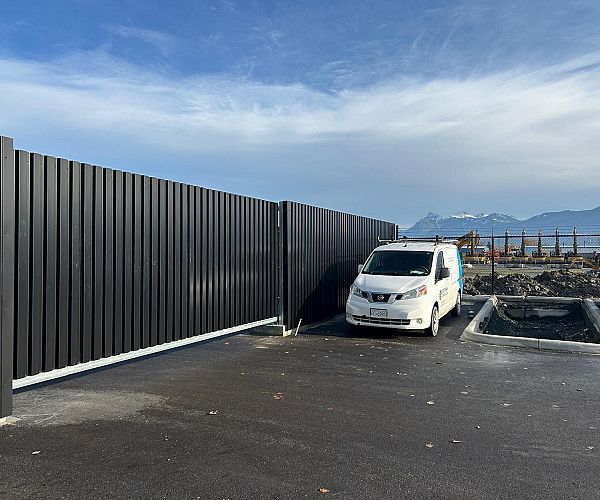
On a farm or large acreage near Chilliwack or elsewhere in the Fraser Valley, your gate is not just curb appeal—it is daily logistics....
Wood comes in all shapes and sizes, that means your fence can too! From picket fences to lattice fences, the options are endless. Besides the...
Download our comprehensive eBook to find exactly what you're looking for.
Affiliations


-(1).png "CFIA")
Accepted Payments