Best blog posts on wooden fences
Wood comes in all shapes and sizes, that means your fence can too! From picket fences to lattice fences, the options are endless. Besides the...

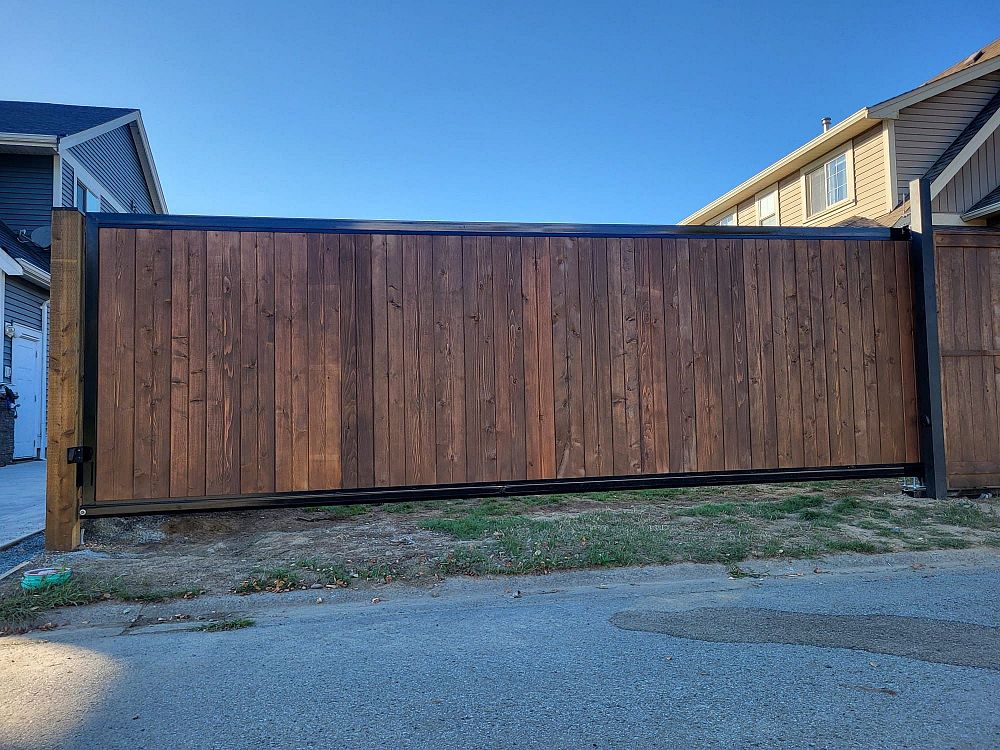
Once your automated gate is on the posts, day-to-day life comes down to access control: how you, your family, guests, and service vehicles get in without drama. Remotes, keypads, vehicle sensors, timers, and phone apps each solve different problems. Here is a plain-language comparison for homeowners, strata, and light commercial properties in the Fraser Valley—so you can match hardware to real routines, not brochure features.
We also touch on reliability: the best option is the one people will actually use safely, every season.
Start with a week in the life of your driveway. How many drivers? Do couriers need one-off entry? Do you want visitors to call first, or punch a code? Do heavy vehicles need hands-free opening? Your answers narrow the list faster than counting brands.
Also note who is not on your list: renters for a month, one-time dump runs, the plumber who forgot the code. Each situation suggests whether you need expiring credentials, a buzzer-to-phone path, or simply someone walking out with a remote. Strata and commercial sites add layers—peak morning exits, shift changes, and after-hours deliveries—that residential guides rarely address. The hardware is only half the story; policy (who gets what, and how you revoke it) keeps the system sane.
If you want a broader picture of automated gates in BC, our custom automated gates overview covers convenience and planning themes that pair well with access choices.
Remotes are fast for people who live there: tap a button, gate opens. Downsides: lost fobs, battery drift, and the need to duplicate credentials when someone new needs access. For multiple drivers, budget enough transmitters and a plan for revoking or replacing them if one goes missing. Many families pair remotes with another method for guests (keypad or intercom) so you are not handing out hardware.
Range and interference matter on long lanes: metal posts, overhead power, and vehicle bodies can affect signal. If your gate is far from where you press the button, mention it during quoting—there may be antenna or receiver placement options. Keep spare batteries on hand so a weak remote is not mistaken for an operator fault.
Keypads shine when codes are easier than distributing fobs—think dog walkers, family visiting from out of town, or a contractor on a short job. You can change codes when circumstances change. Placement matters: installers should set pedestals where a driver can pull fully off the road, see the pad, and reach the intercom without blocking traffic. Poor placement invites unsafe stops on busy rural roads.
Discuss lighting and visibility for night arrivals—common around Chilliwack and valley communities where lanes are dark in winter.
Codes should be easy to rotate after contractors, tenants, or relationship changes. If your keypad also drives an intercom or camera integration, confirm how those pieces interact before you finalize mounting height and cable paths.
Vehicle sensors (such as loop-style detection in common setups) can trigger the gate when a vehicle arrives or confirm presence in the path. Exact behaviour depends on product and programming. These systems are not one-size-fits-all; wiring and safety interlocks belong in the hands of your installer. Ask how sensors interact with safety devices like photo eyes so you understand what stops or reverses motion when something is in the way.
Timers help when you want the gate to hold open during predictable windows—rush-hour family traffic, farm pickups, or commercial delivery slots—or to limit night operation. Misconfigured schedules can leave a gate open when you meant it closed, so walk through scenarios with your installer. Schedules should be easy to adjust seasonally (early darkness in winter, longer days in summer).
On farms and busy yards, timers sometimes coordinate with predictable traffic—milk pickup, grain delivery, or shift changes—so the gate is not cycling open every two minutes. Match the schedule to reality; if traffic is random, lean on sensors or remotes instead of wide-open windows.
Phone control is convenient when it works: open from the car, let someone in while you are away, tie into other smart-home ideas. Reliability hinges on network path from the house to the gate. Rural properties often need wired infrastructure or well-placed access points—not a single cheap extender tossed in a window. Plan connectivity during rough-in—the same project phase covered in Installing an Automated Driveway Gate? Plan Power and Conduit Before You Pave on this blog—so you are not relying on a flaky last-hop wireless link at the driveway edge.
If signal is weak, your installer may recommend alternatives or hybrid setups (e.g. keypad plus remote, with app as add-on).
A&G Fencing offers turnkey automation aligned with our custom gates and automation service: remotes, keypads, vehicle sensors, 24-hour timers, and Wi‑Fi / phone control where it suits the site—alongside conduit and electrical work so the whole system hangs together.
The right package is usually a mix: remotes for residents, keypad or intercom for visitors, sensors where traffic patterns warrant, and phone features where the network supports them.
If you are unsure, bring a simple traffic sketch to your appointment: average weekday entries, peak times, and how guests arrive. That single page speeds decisions more than another feature matrix.
What is the most reliable option for families?
Often a combination: remotes for daily drivers and a keypad for trusted visitors—plus good safety hardware. “Reliable” depends on how you use the gate.
Are keypads secure?
They are as secure as your code hygiene. Use codes you can rotate, avoid birthdays obvious from the mailbox, and change codes when tenants or workers change.
Do I need vehicle sensors if I have a remote?
Not always. Sensors help with hands-free or detection scenarios; your installer can say if they add value on your layout.
Will smartphone control work far from the house?
App experience depends on connectivity at the gate. Plan early; do not assume house Wi‑Fi reaches the driveway.
Can strata use the same options as houses?
Often yes, at larger scale—more users, more codes, clearer visitor flow. Your property manager and installer should map peak traffic and after-hours access together.
This topic is part of our Automated Gates in the Fraser Valley: Planning Guide & Resources hub—start there for an overview, then explore the other articles on access control, power and paving, strata, farm gates, and safety.
Ready to talk installation? See custom gates and automation or contact A&G Fencing.
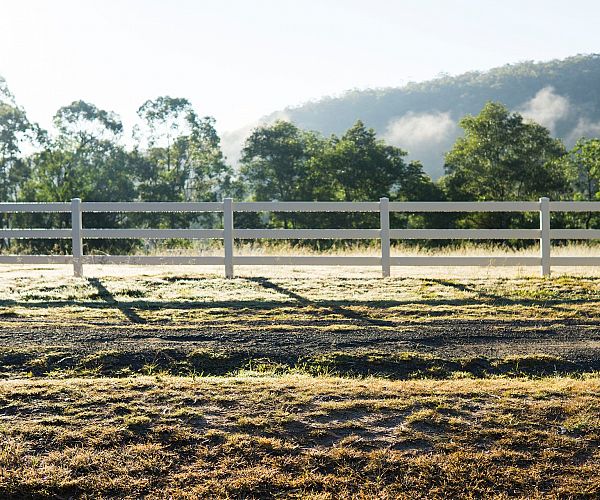
Wood comes in all shapes and sizes, that means your fence can too! From picket fences to lattice fences, the options are endless. Besides the...
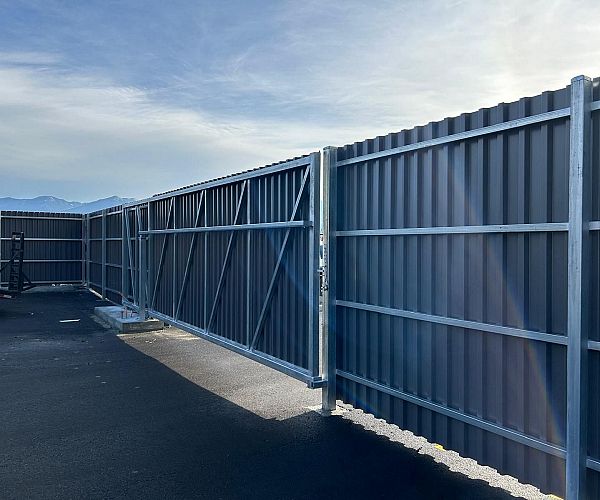
Nothing slows a project like discovering—after fresh asphalt or concrete—that you need a trench across the driveway for gate power or...
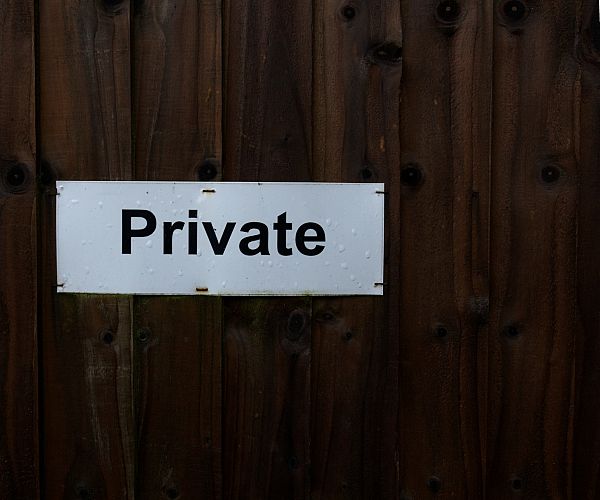
Fences serve a variety of purposes, one of the most important being security and privacy. There are various types of fences that serve the...
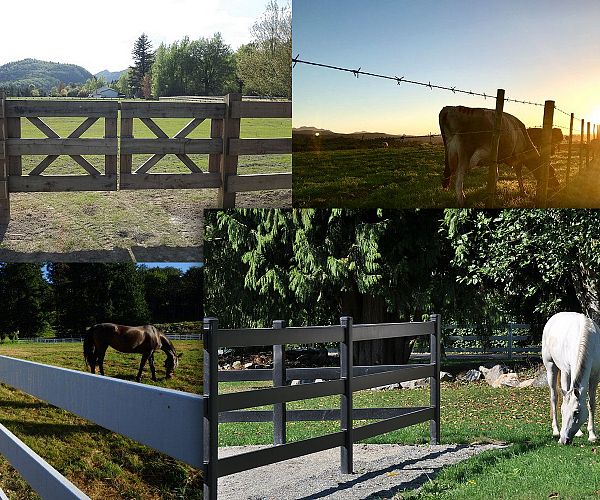
Ensuring you have a properly fenced yard is paramount, particularly when you have animals and agriculture to protect. The last thing you want is...
Download our comprehensive eBook to find exactly what you're looking for.
Affiliations


-(1).png "CFIA")
Accepted Payments